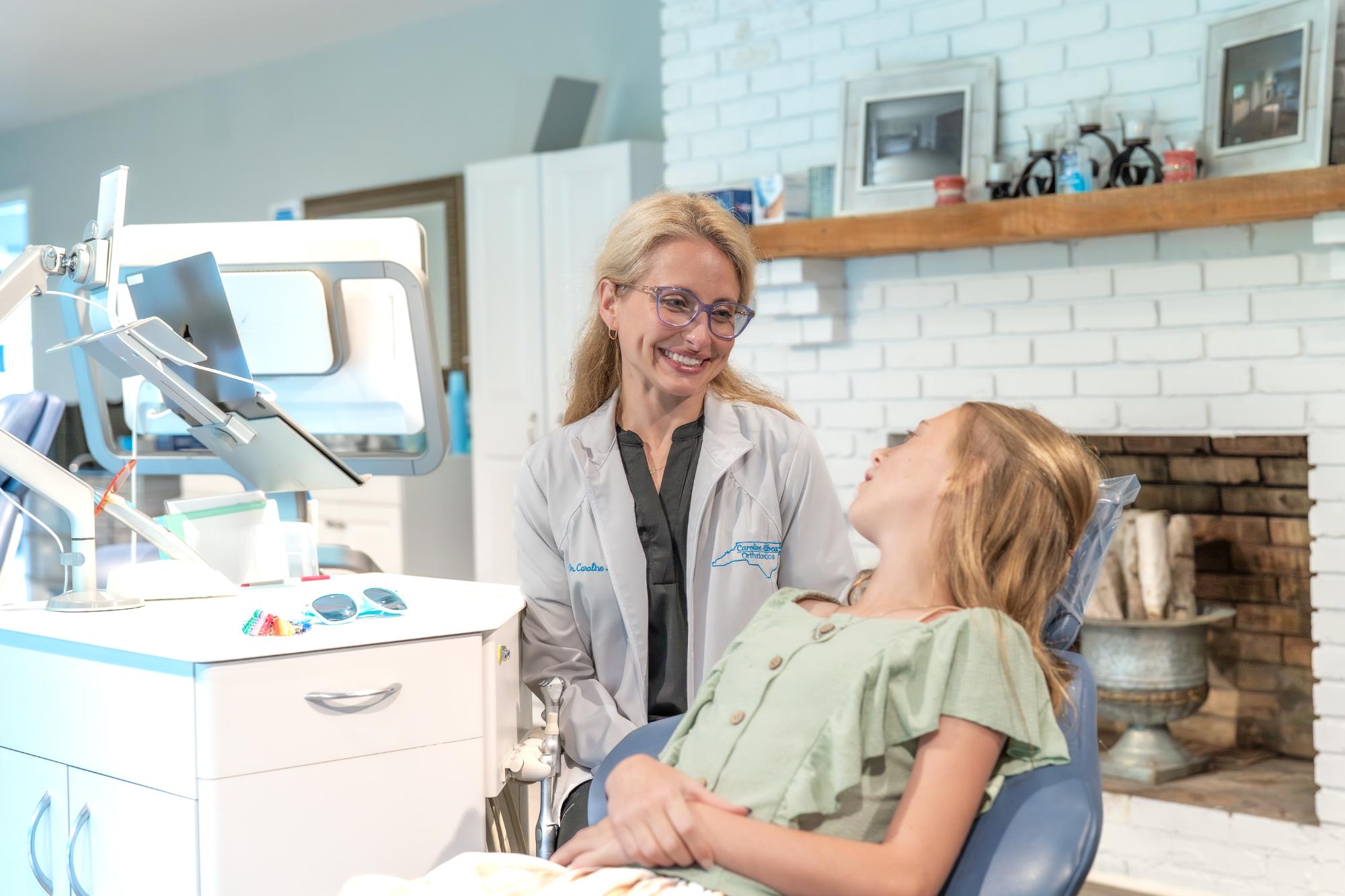
Choosing the right orthodontist shapes your entire treatment experience, from the quality of your results to how comfortable you feel at each appointment. Learning how to choose an orthodontist means looking beyond flashy marketing and focusing on credentials, treatment options, and the human side of care. This guide walks you through what matters most, so you can feel confident in your decision.
What Is an Orthodontist and Why Specialty Matters
An orthodontist is a dental specialist who completes additional residency training after dental school, focusing exclusively on tooth alignment, bite correction, and jaw development. While any licensed dentist can offer braces or aligners, only an orthodontist has completed a residency dedicated to moving teeth safely and predictably.
Board certification by the American Board of Orthodontics (ABO) is another meaningful signal. ABO certification is voluntary, which means orthodontists who pursue it have chosen to demonstrate a higher standard of expertise through rigorous written and clinical exams. The commitment to continuing education also tells you a provider stays current with evolving techniques and materials.
At Caroline Albea Orthodontics, Dr. Caroline Albea holds a DDS, an MS, and a Certificate in Orthodontics, reflecting the specialty training that sets orthodontists apart from general dentists offering limited aligner services. That depth of training matters most when your case involves bite problems, jaw alignment, or complex tooth movement. Specialty training also prepares the provider to anticipate issues that might not be obvious at the first appointment, so your customized treatment plan accounts for the full picture of your oral health.
How to Evaluate an Orthodontist: Step-by-Step Process
Finding the best orthodontist for your family doesn’t have to feel overwhelming. Follow these six steps to narrow your options with confidence.
- Verify credentials and board certification. Use the ABO’s “Find an Orthodontist” lookup tool to confirm specialty training. Check that the provider lists a Certificate in Orthodontics, not just a general dental degree.
- Research the treatment options offered. A well-rounded practice should provide a full menu of choices, including metal braces, ceramic braces, and Invisalign. More options mean a better fit for your lifestyle and goals.
- Read online reviews and view before-and-after photos. Reviews reveal how a practice treats its patients and families day in and day out. Before-and-after galleries show real clinical results.
- Schedule a comprehensive exam with 2-3 practices. Many orthodontists offer a complimentary first appointment. Meeting the team in person tells you more than any website can.
- Compare customized treatment plans. Each orthodontist may approach your case differently. Look at the full picture, including appointment frequency and estimated length.
- Assess office technology, location, and staff rapport. Modern tools like digital 3D scanning make treatment smoother. A convenient location and a friendly team make the whole experience better.
Key Qualities of a Great Orthodontist
Not every practice is created equal. When you’re choosing an orthodontist, look for these qualities that separate a great provider from an average one.
What Training Should an Orthodontist Have?
A great orthodontist has completed an accredited residency and continues learning through ongoing education. Specialty training signals that your provider has dedicated years to the specific science of moving teeth and correcting bites. Dr. Albea‘s DDS, MS, and Certificate in Orthodontics reflect the depth of training a specialist brings to every case. Beyond initial credentials, look for a provider who attends continuing education courses and stays current with newer materials, techniques, and research.
Which Treatment Options Should a Practice Offer?
The best orthodontists offer personalized care because they can match the treatment to the patient, not the other way around. Look for practices that provide ceramic braces, metal braces, Invisalign, Invisalign for Teens, Invisalign for Children, and Invisalign for Adults. A broader menu means your customized treatment plan can be built around your lifestyle, aesthetic preferences, and clinical needs rather than the limited tools a smaller office might stock.
How Important Is Technology in Modern Orthodontics?
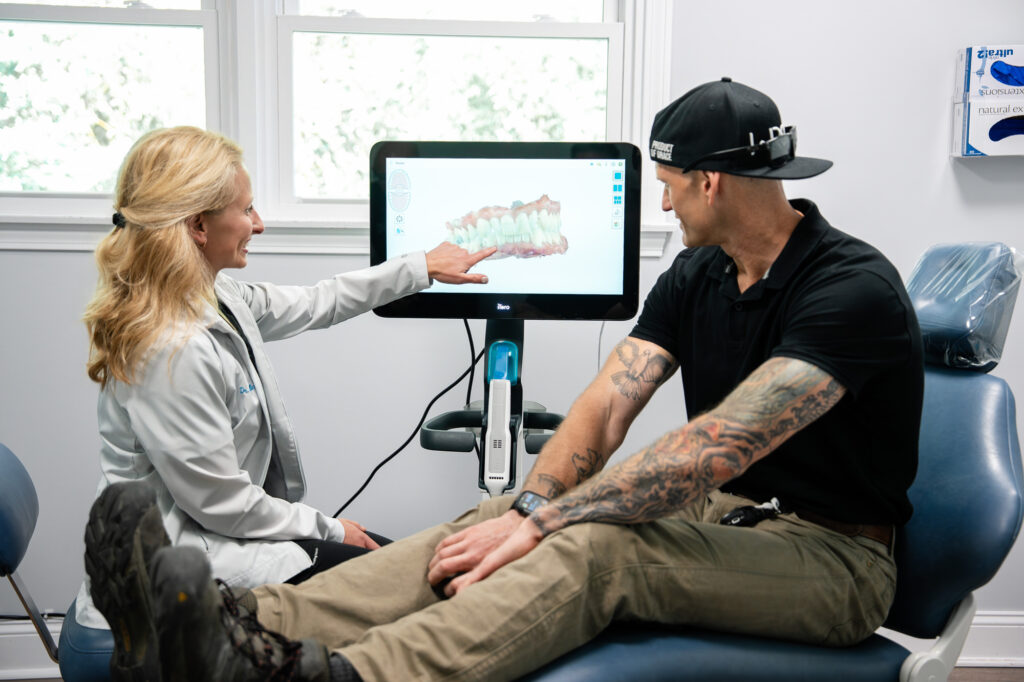
Digital 3D scanners replace the uncomfortable goopy impressions of the past. Software like Invisalign ClinCheck lets you preview your results before treatment even begins. Advanced products like 3M Clarity advanced ceramic braces offer tooth-colored brackets that are virtually unnoticeable. Technology shortens appointments, improves accuracy, and gives you a clearer picture of what your smile will look like at every stage.
Other qualities to look for include:
- A friendly, communicative team. The front desk, treatment coordinators, and clinical staff shape your day-to-day experience. You want people who answer questions patiently and remember your name.
- Strong patient reviews and real results. Testimonials and documented outcomes offer proof that a practice delivers on its promises. Look for consistent themes in reviews, especially around communication, comfort, and results.
- A welcoming environment. The feel of a practice matters. Caroline Albea Orthodontics is professional, but with a home-style touch, specializing in one-on-one care for every patient who walks through the door.
Orthodontist vs. General Dentist: Which Should You Choose?
An orthodontist is a dental specialist with residency training beyond dental school, focused entirely on tooth movement and bite correction. A general dentist is trained in overall oral health and may offer limited aligner treatment, but has not completed an orthodontic residency. For most cases, especially anything involving bite issues or jaw alignment, an orthodontist is the right choice.
Here’s a side-by-side look at the differences:
| Factor | Orthodontist | General Dentist |
|---|---|---|
| Specialty Training | Orthodontic residency after dental school | No orthodontic residency required |
| Scope of Treatment | Full range: braces, Invisalign, complex cases | Typically limited to simple aligner cases |
| Bite & Jaw Correction | Trained to diagnose and treat | Usually refers out |
| Technology | Dedicated orthodontic tools, 3D scanning, ClinCheck | May or may not have specialty equipment |
A general dentist can be sufficient for very minor cosmetic alignment, but anything involving crowding, spacing, overbite, underbite, or crossbite calls for a specialist. Dr. Albea’s advanced training means complex cases are planned and executed by someone who treats these conditions every day. The right fit depends on your specific needs, but when in doubt, a specialty consult protects your long-term results.
Who Is a Good Candidate for Orthodontic Treatment?
Orthodontic treatment works for patients and families at nearly every stage of life. Caroline Albea Orthodontics offers treatments for all ages, from children to adults.
- Children. The American Association of Orthodontists recommends a first orthodontic evaluation by age 7. Early assessment catches developing issues before they become bigger problems.
- Teens. The teenage years are often the ideal window for braces or Invisalign Teen. Jaw growth and tooth movement happen efficiently during this time.
- Adults. It’s never too late. Invisalign and 3M Clarity advanced ceramic braces offer discreet, virtually unnoticeable options for adults who want a straighter smile without a mouthful of metal.
Common issues treated at every age include:
- Crowding
- Spacing and gaps
- Overbite
- Underbite
- Crossbite
- Open bite
Signs you should schedule a comprehensive exam include teeth that overlap, difficulty chewing, jaw clicking, noticeable gaps, or simply feeling self-conscious about your smile. If any of these sound familiar, a conversation with a specialist can help you understand what’s possible for your smile and your timeline.
Frequently Asked Questions
How do I pick an orthodontist?
Start by verifying credentials and board certification through the American Board of Orthodontics. Then look at the range of treatment options offered, read patient reviews, and schedule a comprehensive exam at two or three practices. The right orthodontist combines strong clinical expertise with a team that makes you feel comfortable asking questions.
What type of braces is the best?
The best option depends on your case, lifestyle, and personal preference. Metal braces are durable and efficient for complex cases, while ceramic braces (like 3M Clarity advanced ceramic braces) offer a tooth-colored, virtually unnoticeable look. Invisalign is removable and discreet. Dr. Albea will help you weigh the pros and cons of each during your comprehensive exam.
What questions should I ask at my first consultation?
Ask about the orthodontist’s training and credentials, how many cases like yours they’ve treated, what treatment options are available, and how long treatment will take. Also ask about appointment frequency and what happens if you have an urgent issue. A great orthodontist welcomes every question.
Choosing the right orthodontist is one of the most important health decisions you’ll make for yourself or your child. Take your time, ask questions, and trust the practice that combines specialty expertise with the kind of warmth that makes every appointment feel like a visit with people who know you. To learn more about the treatment options discussed here, explore our pages on Invisalign, ceramic braces, and treatments for all ages.