Many bite and alignment issues quietly develop over years. You may not notice them until they start causing trouble with chewing, cleaning, or confidence. Here are 10 signs you may need orthodontic treatment, along with what to do next. Modern treatment is comfortable, discreet, and effective for patients of every age.
Orthodontic treatment gently guides teeth and jaws into healthier positions using appliances like braces or Invisalign. Below are ten common signs that suggest it may be time for a closer look. Keep in mind that only an orthodontist can give you a definitive answer, so consider this a helpful guide rather than a diagnosis.
Why Recognizing the Signs Matters
When alignment and bite problems go unaddressed, they tend to snowball. Uneven wear, higher risk of decay and gum disease, and long-term jaw strain are all possibilities. Catching issues early often means simpler treatment and shorter time in braces or aligners.
The American Association of Orthodontists (AAO) recommends that every child receive a first orthodontic evaluation by age 7. That does not mean treatment starts then. It simply gives Dr. Albea a chance to monitor jaw growth and step in at the ideal moment if needed. Adults benefit from evaluation too, and treatment works beautifully at any age.
1. Crooked, Crowded, or Overlapping Teeth
Crowding is the most visible sign of an orthodontic concern. When teeth overlap or twist, brushing and flossing become tricky, which raises the risk of decay and gum disease over time.
Crowding rarely improves on its own. In many cases, it worsens as adult teeth continue to erupt without enough room to line up properly.
2. Overbite, Underbite, Crossbite, or Open Bite
Bite problems fall into a few main categories:
- Overbite: upper front teeth extend too far past the lower teeth.
- Underbite: lower teeth sit in front of the upper teeth.
- Crossbite: some upper teeth close inside the lower teeth instead of outside.
- Open bite: upper and lower teeth do not touch when the mouth is closed.
Each of these can affect chewing, speech, and long-term jaw health. Bite issues rarely correct themselves without help.
3. Noticeable Gaps or Spacing Between Teeth
Gaps can develop from missing teeth, small teeth, or a mismatch between jaw size and tooth size. Beyond appearance, wide spaces can trap food and make cleaning harder. Braces and Invisalign both work well for closing gaps and creating a more even smile.
4. Difficulty Chewing or Biting Food
If certain foods feel like a struggle, your bite may be part of the reason. Watch for signs like food frequently getting stuck, avoiding tougher textures, or uneven wear on your teeth. These clues often point to an alignment issue worth checking.
5. Jaw Pain, Clicking, or TMJ Symptoms
Clicking, popping, or soreness in the jaw can be linked to bite misalignment. When teeth do not come together evenly, the temporomandibular joint (TMJ) has to work harder, which may lead to chronic tension or headaches.
An orthodontic evaluation can help identify whether your bite is contributing to these symptoms. Not every case of jaw discomfort is orthodontic, but many are.
6. Mouth Breathing or Speech Difficulties
Chronic mouth breathing can suggest a narrow palate or limited room for the tongue. Speech patterns like lisps or trouble pronouncing certain sounds may also trace back to how the teeth and jaw are positioned.
These signs are more common in children, but adults experience them too. A quick evaluation can rule out or confirm a structural cause.
7. Teeth Grinding or Frequent Cheek/Tongue Biting
Grinding (bruxism) is often blamed on stress, but it can also be a response to a bite that does not fit together well. Repeatedly biting your cheek or tongue is another quiet clue that teeth are not lining up as they should. Both can lead to long-term damage if ignored.
8. Early or Late Loss of Baby Teeth (In Children)
Baby teeth usually fall out between ages 6 and 12. When they leave much sooner or hang on much longer than expected, alignment problems may be at play. Parents often ask, “does my child need braces?” and this is one of the clearest early clues.
This is exactly why the AAO recommends a first orthodontic evaluation for children by age 7. Dr. Albea can spot developing issues early and, if needed, plan interceptive treatment that keeps things simple later on.
9. Self-Consciousness About Your Smile
How you feel about your smile matters. Many patients and families reach out because a smile has started to affect confidence at school, work, or social events.
Cosmetic concerns are a completely valid reason to seek an evaluation. Discreet options like Invisalign and 3M Clarity advanced ceramic braces are hard to notice, so treatment does not have to be obvious.
10. A Family History of Orthodontic Issues
Bite and alignment traits often run in families. If parents or siblings needed orthodontic treatment, there is a stronger chance children may too.
Proactive evaluation is especially helpful in these cases. Catching a familiar pattern early gives you more options and better outcomes.
What to Expect at an Orthodontic Consultation
Your first appointment at Caroline Albea Orthodontics is relaxed and informative. Here is what typically happens:
- A thorough exam and bite assessment with Dr. Albea
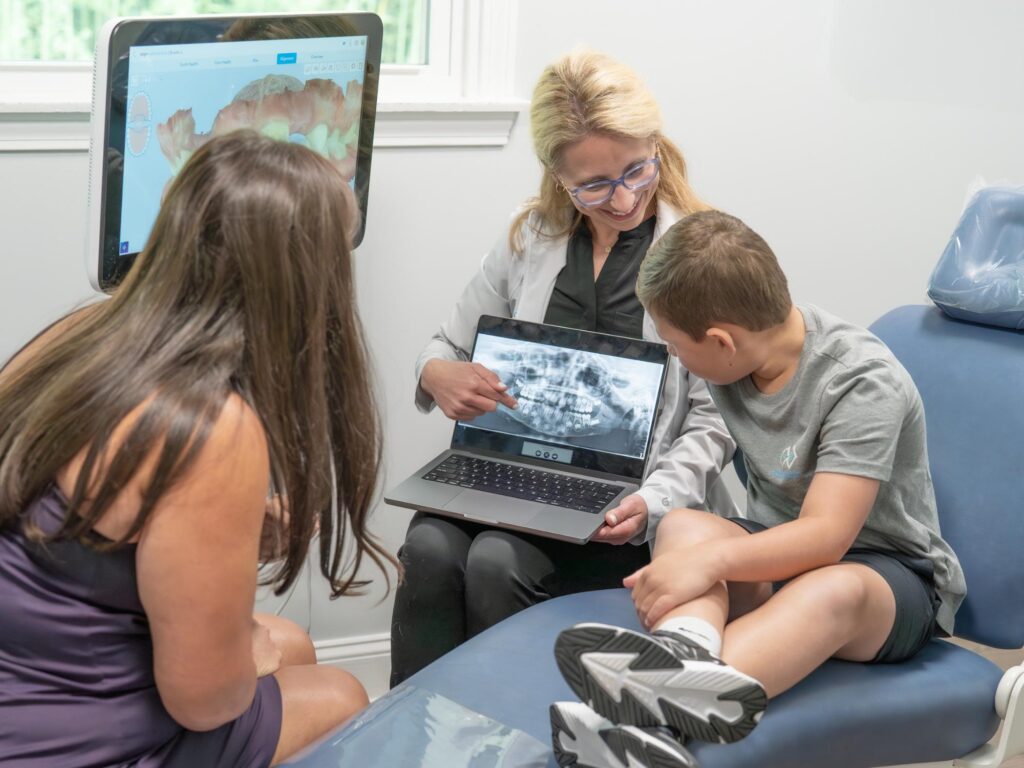
- Digital images and, if needed, a digital 3D scan (no mushy impressions)
- A discussion of treatment options such as ceramic braces, metal braces, lingual braces, or Invisalign
- A customized treatment plan with a clear timeline and next steps
- Time to ask any questions you have about your treatment plan and what to expect day to day
There is no pressure to start treatment on the spot. The goal is simply to give you the information you need to make a confident choice.
Schedule your complimentary first appointment today.
When to See an Orthodontist
A few simple guidelines for when to see an orthodontist:
- Children: by age 7, per AAO recommendations.
- Teens: as soon as bite or alignment concerns appear.
- Adults: anytime. It is never too late to invest in your smile.
Early treatment is often simpler treatment. And remember, a first appointment does not commit you to anything. It is a chance to gather information and understand your options.
Frequently Asked Questions
At what age should my child see an orthodontist?
The AAO recommends a first orthodontic evaluation by age 7, even if no obvious problems are present. Dr. Albea can monitor jaw growth and catch developing issues early, which often leads to simpler treatment later.
Can jaw pain indicate an orthodontic problem?
Yes. Jaw pain, clicking, or TMJ symptoms can be linked to bite misalignment. When teeth do not meet evenly, the jaw joint works harder, which may lead to soreness or headaches. An evaluation can help identify contributing factors.
What happens if orthodontic issues are left untreated?
Untreated bite and alignment issues can lead to uneven tooth wear, higher risk of decay and gum disease, chewing difficulties, and long-term jaw strain. Catching problems early usually means shorter, simpler treatment down the road.
Schedule Your Complimentary First Appointment
If any of these signs sound familiar, we would love to help. At Caroline Albea Orthodontics, staying true to our small-town, southern roots means giving every patient the time, attention, and one-on-one care they deserve. Dr. Albea will personally review your concerns, walk you through your options, and build a customized treatment plan that fits your goals and lifestyle.
We want to make you smile! Reach out today to schedule your complimentary first appointment to get a healthier, more confident smile.