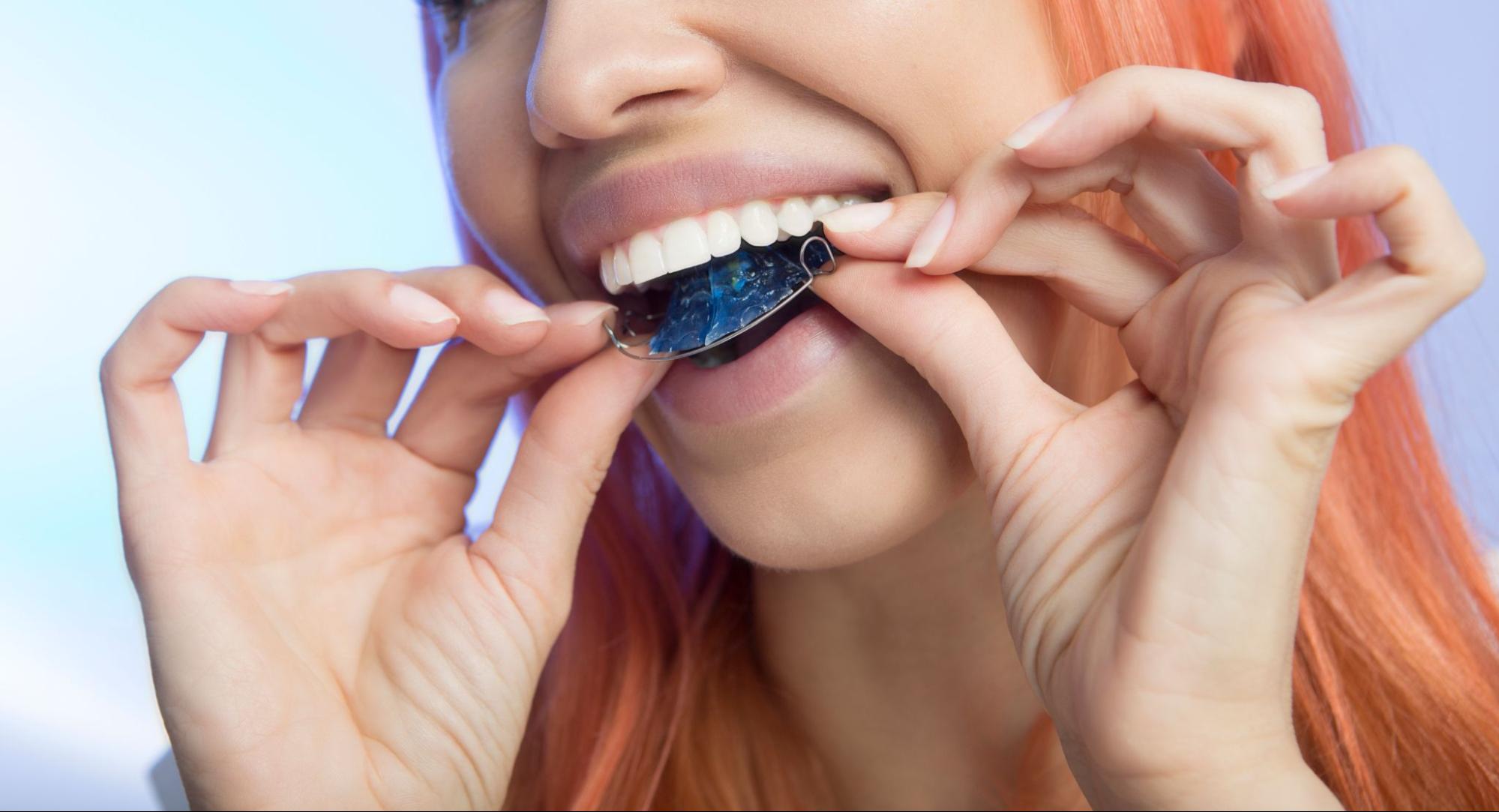
The day your ceramic braces come off is exciting, but the work of protecting your new smile is just beginning. Retainers keep your teeth in their beautiful, new position, and knowing what to expect after braces come off makes the retention phase much smoother. For patients in Mills River and the surrounding area, this stage is where all those months of effort finally pay off.
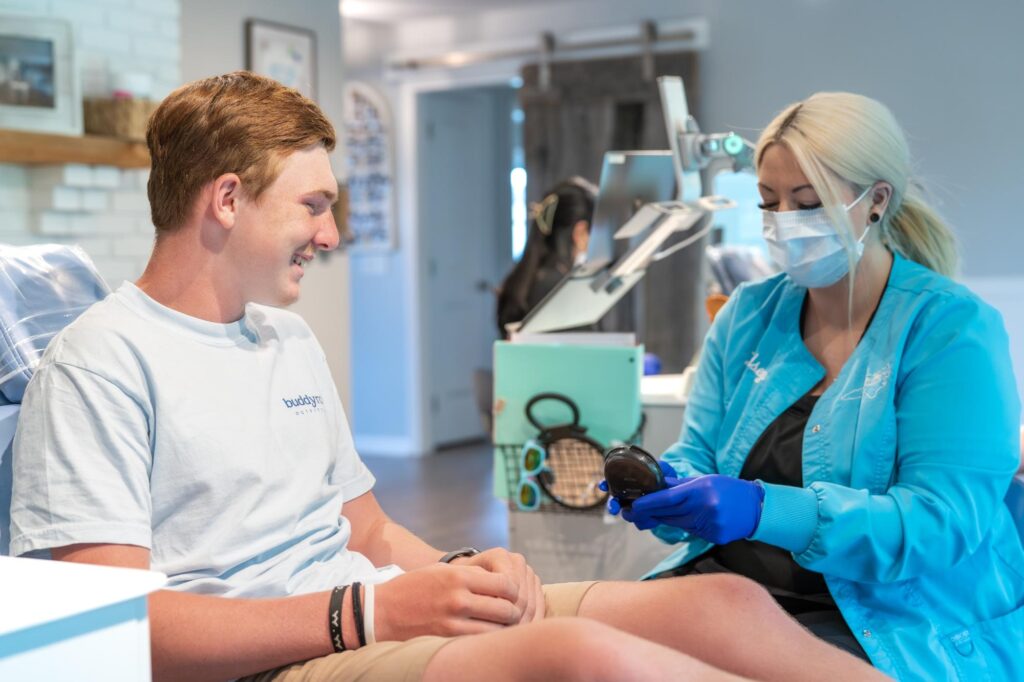
What Does Transitioning From Braces to Retainers Mean?
Transitioning from ceramic braces to retainers is the phase right after your braces are removed, when retainers take over the job of holding your teeth in their new, straightened position. Following these tips helps prevent relapse while your bone and gums stabilize around repositioned teeth.
This retention phase protects the results of your treatment and begins at your debonding appointment, when Dr. Albea removes your brackets and polishes your teeth. From that moment, retainers become the guardians of your smile. Teeth naturally want to drift, especially in the first months after braces come off. Consistent retainer wear protects the time, effort, and investment you and your family have put into treatment at Caroline Albea Orthodontics, whether you traveled in from Mills River, Hendersonville, or a neighboring town.
How the Transition From Braces to Retainers Works
The transition to retainers happens in clear steps: your ceramic braces are removed, a digital 3D scan captures your new smile, custom retainers are fabricated, and you wear them full-time before shifting to nights only. Each stage builds on the last, and Dr. Albea guides you through all of it at our Mills River practice.
Here’s a closer look at what to expect during each step:
- Debonding appointment. Your brackets are gently removed and any leftover adhesive is polished away. Teeth may feel smooth and “slippery” in a way you haven’t felt in months.
- Digital 3D scan. A quick scan captures the exact shape of your new smile so your retainers can be built to fit precisely. This step replaces the old-school putty impressions of the past.
- Retainer fitting. When your retainers are ready, we make sure the fit is snug, comfortable, and easy to insert and remove.
- Full-time wear phase. In the first months after debonding, you’ll typically wear your retainer close to 22 hours a day, removing it only to eat, brush, and floss. This is the most important stretch for locking in your results.
- Nighttime-only phase. Once your teeth have stabilized, Dr. Albea will move you to nighttime wear. Many patients continue nightly wear long-term to keep their smile in place.
Your customized treatment plan and wear schedule are tailored to your specific case, so follow the instructions Dr. Albea gives you rather than a generic timeline you might read online.
Benefits of Wearing Retainers After Braces
Retainers do more than just “hold” your teeth. They actively protect the work you put into treatment and support your long-term oral health.
How Do Retainers Protect Your New Smile?
- Prevent relapse. Teeth can gradually shift back toward their original positions without retainers. Consistent wear stops that drift before it starts.
- Stabilize your bite. The bite alignment achieved during treatment needs time to settle in, and retainers help everything set correctly.
- Protect your investment. You spent months (sometimes years) in treatment. Retainers guard the results so you don’t have to redo any of that work later in life.
Why Is Retention Worth the Effort?
- Support gum and bone adaptation. The tissues around your teeth need time to remodel around their new positions, and retainers give them that stability so nothing slides backward.
- Low-effort maintenance. Compared with going through orthodontic treatment a second time, wearing a retainer is a simple daily habit that fits easily into your routine.
- Peace of mind. Knowing your smile is protected lets you enjoy the results without worrying about slow, unnoticed shifting over the years ahead.
Removable vs. Fixed Retainers: Which Is Right for You?
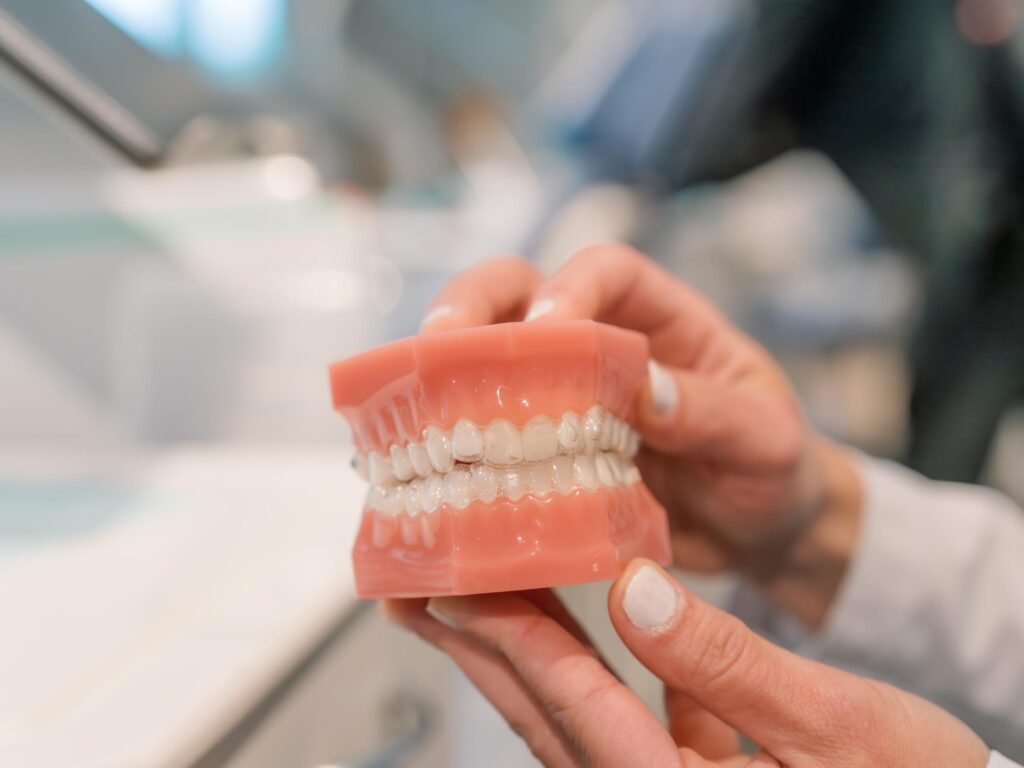
There are two main types of retainers, and the best option depends on your lifestyle, your case, and Dr. Albea’s recommendation. Many patients actually use a combination, with one type on the upper arch and another on the lower.
| Feature | Removable Retainers (Clear or Hawley) | Fixed (Bonded) Retainers |
|---|---|---|
| Wear style | Taken in and out by you | Bonded behind the teeth full-time |
| Visibility | Clear versions are virtually unnoticeable | Hidden behind teeth, not visible when smiling |
| Cleaning | Easy to rinse and brush outside the mouth | Requires careful flossing with a floss threader |
| Discipline needed | Must remember to wear consistently | No effort once bonded in place |
| Risk of loss | Can be misplaced or damaged | Cannot be lost |
| Eating | Removed for meals | Stays in place during meals |
Removable retainers (like clear plastic or Hawley wire retainers) are simple to clean, come out for eating, and give you flexibility. The trade-off is that they only work when you actually wear them, so consistency really matters.
Fixed retainers are a thin wire bonded behind the front teeth. They work around the clock without any effort on your part, which is great if you’re the type who worries about forgetting. The trade-off is that flossing takes a little practice, but you’ll get the hang of it quickly.
Dr. Albea will walk you through which option, or combination, fits your smile best.
Cost Factors for Retainers After Braces
Retainer costs depend on the type you choose (clear plastic, Hawley, or fixed bonded), whether replacements are needed, and what’s already included in your treatment package. In many cases, your first set of retainers is bundled into the cost of your ceramic braces at Caroline Albea Orthodontics, so you won’t pay extra at debonding. Replacement retainers, however, do carry a separate fee.
Key cost factors to keep in mind:
- Retainer type. Clear plastic, Hawley, and fixed bonded retainers each have different price points.
- First set inclusion. Your initial retainers are often included in the ceramic braces treatment package, so ask about this upfront.
- Replacements. Lost or damaged retainers cost more to remake, which is a good reason to always store yours in its case.
- Fixed retainer upkeep. Bonded retainers may involve occasional monitoring visits to check the wire is still secure.
- Insurance. Some plans contribute to retainer costs, so check with your provider.
Ask about included retainers and replacement pricing during your comprehensive exam so there are no surprises later.
Who Needs Retainers and for How Long?
Nearly every patient who completes ceramic braces needs a retainer afterward. It doesn’t matter if you’re a child, teen, or adult, or whether your treatment lasted six months or two years. Teeth naturally want to shift, and retainers are the only reliable way to keep them where they belong. Patients across Mills River rely on retention to keep their results looking great.
- First few months. Full-time wear (most of the day, removing it only to eat and brush) is typical right after debonding.
- Long-term. Nighttime wear often continues indefinitely to prevent relapse as you age.
- All ages. Teens, adults, and children all benefit from consistent retention.
- Personalized schedule. Dr. Albea will tailor your wear plan to your specific case, bite, and lifestyle.
Think of retention as a lifelong habit, not a temporary step. According to the American Association of Orthodontists, some form of ongoing retainer wear is generally recommended to maintain your results over time.

Frequently Asked Questions About Braces to Retainers
How long do I need to wear my retainer?
Most patients wear their retainer full-time for the first few months after braces come off, then shift to nightly wear long-term. Because teeth can continue to shift throughout adulthood, Dr. Albea often recommends some form of nighttime retention indefinitely. She’ll give you a schedule based on your specific case.
Do retainers hurt?
Retainers shouldn’t hurt, but mild pressure or tightness is normal at first, especially in the morning after wearing yours all night. Some patients notice a bit of extra saliva or slight speech changes for a day or two. These sensations fade quickly as your mouth adjusts.
Can my teeth still shift with a retainer?
Consistent wear prevents most shifting. Problems usually happen when patients skip wear for days or weeks at a time, which allows teeth to drift and the retainer to no longer fit correctly. If your retainer suddenly feels tight, that’s often a sign teeth have started to move.
How do I clean my retainer?
Rinse your retainer with cool water after each wear and gently brush it with a soft toothbrush. Avoid hot water, which can warp the plastic, and skip abrasive toothpaste that scratches the surface. For a deeper clean, ask Dr. Albea about retainer-safe soaking solutions.
What if I lose my retainer?
Contact our office as soon as possible so we can arrange a replacement before your teeth have time to shift. The longer you go without a retainer, the greater the chance of relapse, so don’t wait it out hoping to find the lost one.
If you have questions about the transition from ceramic braces to retainers, or if you’re ready to book your first appointment, Caroline Albea Orthodontics is here to help. Dr. Caroline Albea, with her DDS, MS, and Certificate in Orthodontics, along with her team, specializes in one-on-one care for patients and families throughout our Mills River community. Dr. Albea is happy to walk you through your retainer options and keep your smile looking its best for years to come. Contact us today or start with a virtual consult. We want to make you smile!